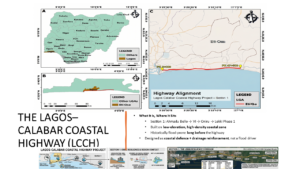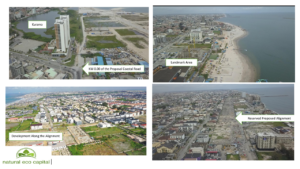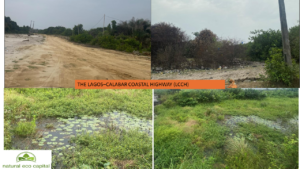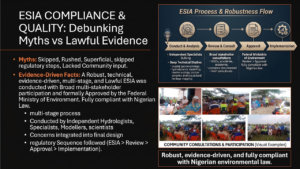
Lagos, Nigeria – Natural Eco Capital has released a comprehensive scientific report addressing widespread misconceptions surrounding flooding in Lagos and the role of the Lagos–Calabar Coastal Highway (LCCH), presenting evidence that many public narratives are inconsistent with historical, geological, and climate data.
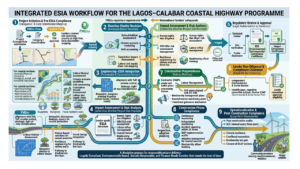
Titled “Myths & Facts About the Lagos–Calabar Coastal Highway (LCCH) and Lagos Flooding: The Science. The History. The Reality,” the report was presented by Dr. Eugene O. Itua, Chief Executive Officer of Natural Eco Capital and Lead Environmental and Social Impact Assessment (ESIA) Consultant for the LCCH project. The publication aims to provide a science-based perspective on one of Nigeria’s most debated infrastructure developments.
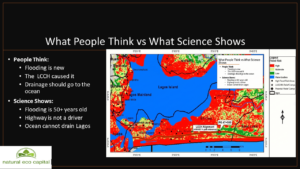
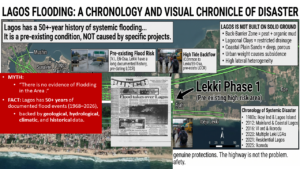
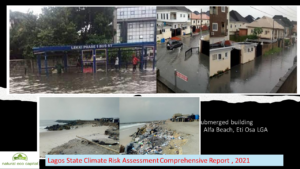
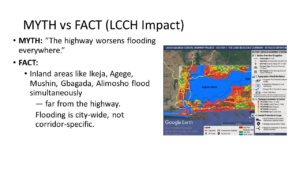
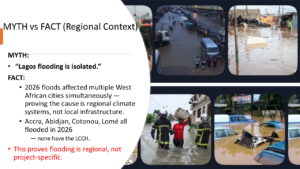
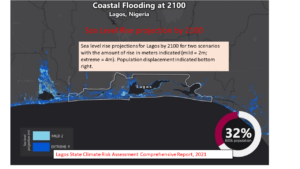
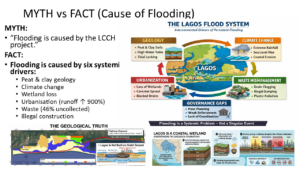
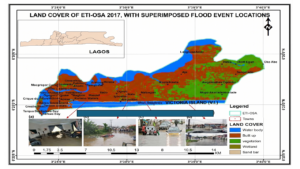
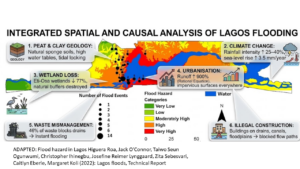
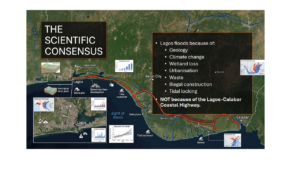
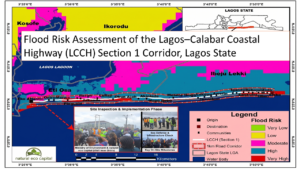
According to the report, flooding in Lagos predates the construction of the coastal highway by several decades. It argues that flood events have been documented for more than 50 years and are driven primarily by natural geography, increasing rainfall intensity, sea-level rise, rapid urbanization, wetland degradation, inadequate waste management, and illegal development rather than the highway itself.
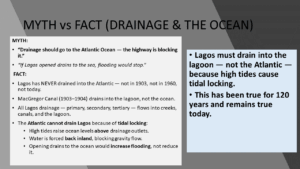
The report also challenges the popular belief that Lagos should discharge stormwater directly into the Atlantic Ocean. It explains that Lagos’ drainage network has historically discharged into lagoons, canals, and creeks because ocean tides create “tidal locking,” a phenomenon that would force seawater inland if drainage outlets were connected directly to the Atlantic.
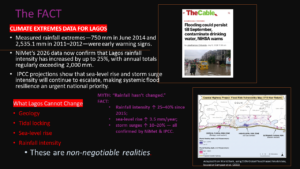
Drawing on historical records and climate science, the publication notes that rainfall intensity across Lagos has increased significantly in recent years, while sea levels and storm surge risks continue to rise due to climate change. These factors, the report states, make long-term investments in resilient infrastructure and integrated flood management increasingly important.
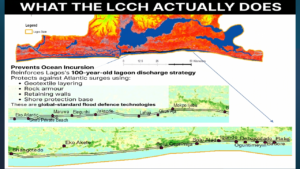
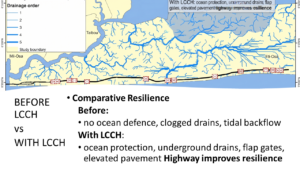
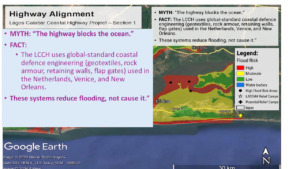
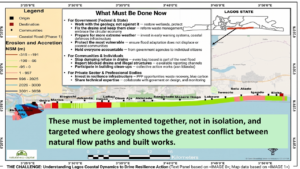
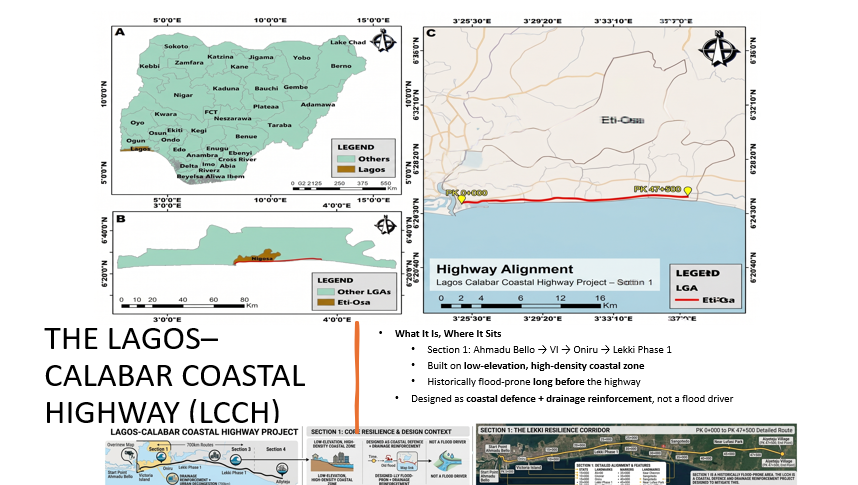
Natural Eco Capital further states that the Lagos–Calabar Coastal Highway incorporates internationally recognized coastal protection measures, including underground drainage systems, flap gates, geotextiles, rock armouring, retaining walls, and elevated pavement designed to improve resilience against coastal flooding rather than exacerbate it.
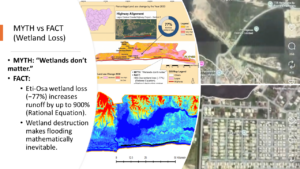
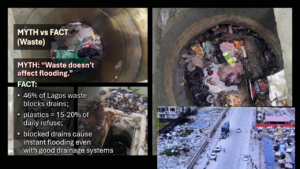
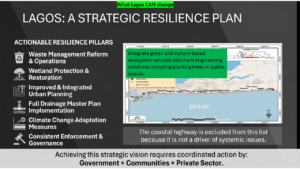
Beyond correcting misconceptions, the report calls for a more holistic approach to flood management in Lagos. Recommended actions include protecting and restoring wetlands, strengthening urban drainage systems, integrating nature-based solutions with engineering infrastructure, enforcing development regulations, reducing indiscriminate waste disposal, and improving climate adaptation planning.
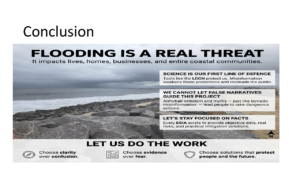
Speaking on the significance of the report, Dr. Itua emphasized that public discourse on infrastructure projects should be guided by credible scientific evidence rather than misinformation. He noted that effective flood resilience requires addressing the underlying environmental and urban planning challenges that have shaped Lagos’ flood risks for decades.
The report is expected to contribute to ongoing conversations among policymakers, environmental experts, infrastructure developers, and the public on building climate-resilient cities while ensuring that major infrastructure projects are evaluated using sound scientific evidence and transparent environmental assessment processes.
SEE PRESENTATION