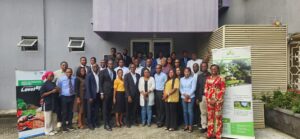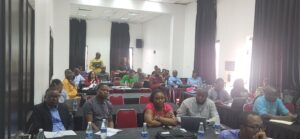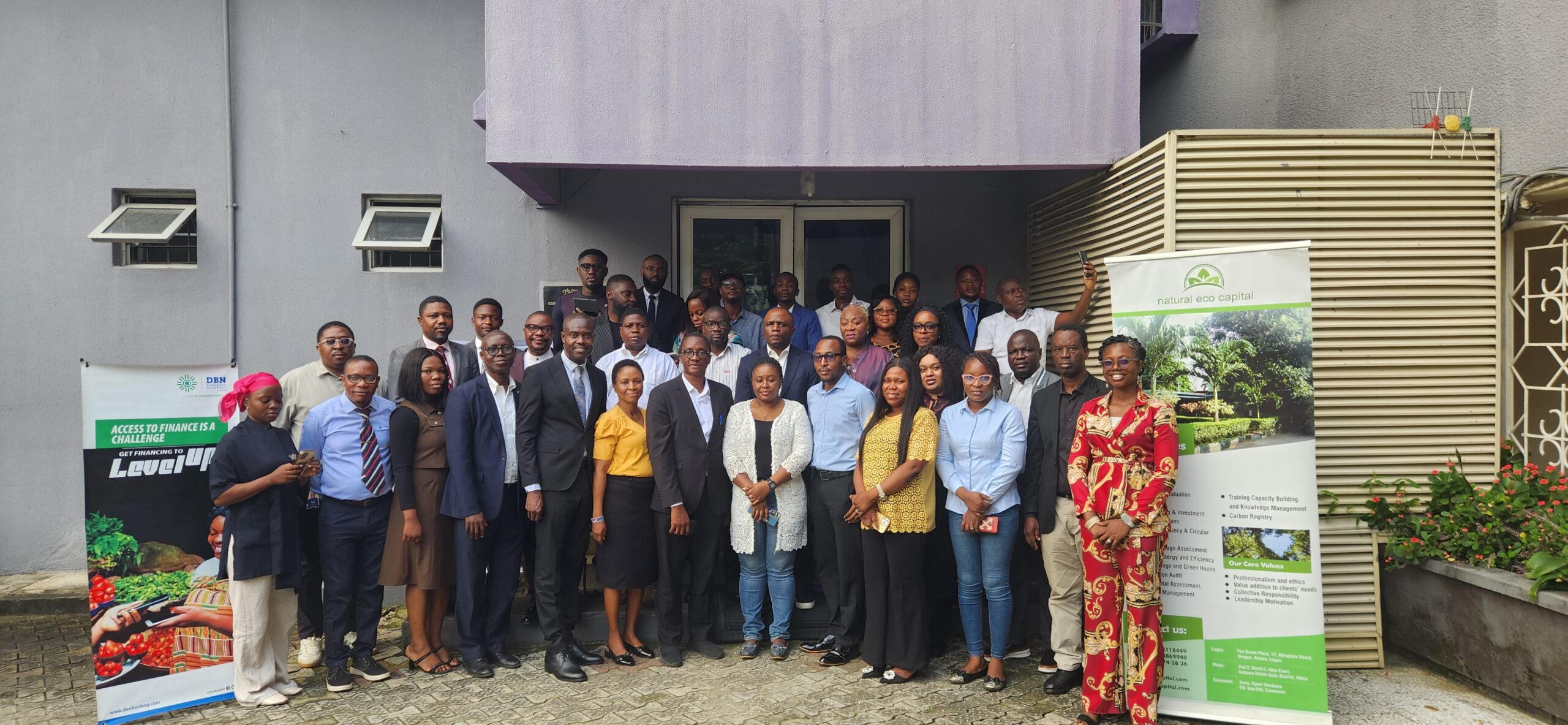
Natural Eco Capital, in partnership with the Development Bank of Nigeria (DBN), successfully delivered a two‑day Environmental and Social Risk Management (ESRM) Training Programme on November 20–21, 2025, at the Lagos Resource Centre, Victoria Island, Lagos. The programme convened professionals from financial institutions and related organisations to strengthen their capacity to identify, assess, manage and report environmental and social (E&S) risks in line with national and international standards.
About the programme
The training opened with welcome remarks and an interactive orientation session that set the tone for collaboration, knowledge sharing and peer learning among participants. Day 1 focused on the Nigerian Sustainable Banking Principles, with facilitators unpacking their operationalisation and implementation, followed by a technical session on the World Bank Environmental and Social Framework delivered by Natural Eco Capital consultants.
Key technical sessions
Participants explored the environmental and social risk categorisation process in depth, including approaches to E&S risk measurement and how these influence credit and investment decisions. The afternoon of Day 1 was dedicated to group work on categorisation, risk assessment and quarterly reporting, enabling participants to work through practical scenarios and receive targeted feedback from DBN and the faculty team.
Policy development and E&S toolkit
Day 2 began with a structured recap of the previous day’s learning, followed by group presentations that helped consolidate understanding and showcase different institutional perspectives. A hands‑on module on E&S policy development, together with a detailed walkthrough of an E&S toolkit—covering Environmental and Social Commitment Plans, Stakeholder Engagement Plans, Labour Management Plans, Resettlement Action Plans, Environmental and Social Management Plans and Waste Management Plans—equipped participants with concrete tools and processes to adapt within their own organisations.
ESMS, grievance mechanisms and evaluation
The programme featured a DBN Environmental and Social Management System (ESMS) update, illustrating how a structured ESMS provides the backbone for consistent E&S risk management across the project lifecycle. A dedicated session on the operationalisation of Grievance Redress Mechanisms (GRM) provided guidance on designing, implementing and documenting accessible channels for stakeholder feedback and complaints, followed by a post‑training evaluation and call to action.
Impact and next steps
Across the two days, the blend of expert facilitation, interactive discussions, ergonomic breaks and group exercises created an engaging learning environment that supported both conceptual understanding and practical skills development. Participant feedback reflected increased confidence in applying the Nigerian Sustainable Banking Principles, utilising E&S toolkits and strengthening institutional ESMS and GRM processes, positioning their organisations to better manage environmental and social risks in line with good international industry practice
.