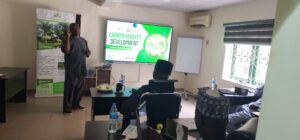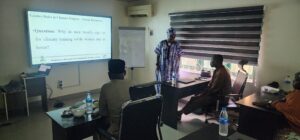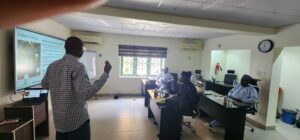

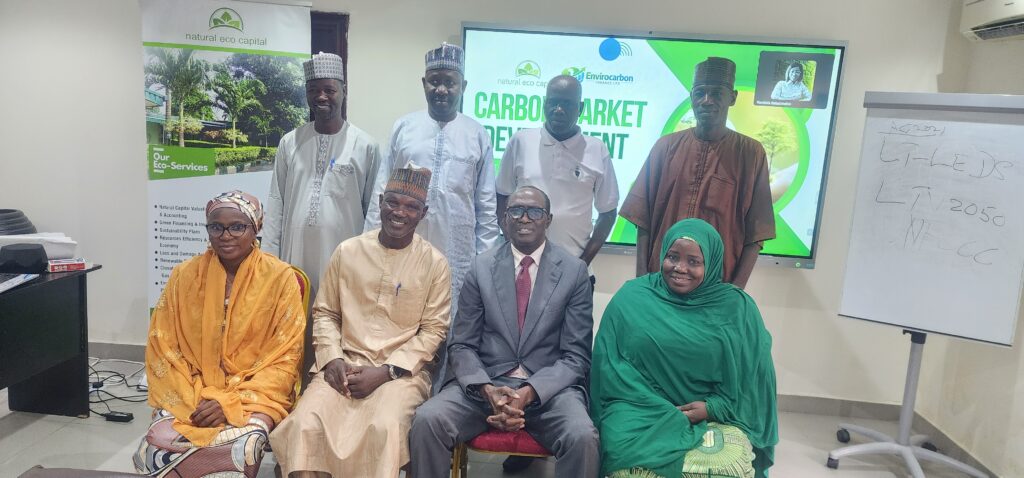
Natural Eco Capital recently delivered a five-day Capacity Building Training on Carbon Market Development and Environmental Monetisation for officers of the Environmental and Climate Change Action Project (ECCAP) in Yobe State.
Held from 3–7 August 2026, the training was designed to strengthen institutional knowledge and practical skills in carbon markets, climate finance, carbon crediting, environmental monetization, monitoring, reporting and verification (MRV), and community engagement. The programme supports efforts to prepare the ECCAP team to implement carbon-related initiatives effectively across Yobe State.
The training is particularly significant given ECCAP’s ambition to generate carbon credits through interventions including tree planting, clean cooking, regenerative agriculture, land restoration, and Payment for Ecosystem Services (PES).
Building a Strong Foundation in Carbon Markets
The first day of the training focused on establishing a clear understanding of climate change, carbon finance, carbon markets and carbon credits.
Participants explored why carbon finance has become an important component of global efforts to reduce greenhouse gas emissions, the distinction between compliance and voluntary carbon markets, and how carbon credits can be generated through climate and environmental projects.
The sessions also examined how ECCAP’s planned activities could contribute to carbon credit generation, giving participants an opportunity to connect the concepts discussed with their responsibilities and the realities of projects within Yobe State.
Understanding Carbon Standards and the Project Cycle
Day two moved from foundational concepts to the structures and processes that underpin carbon projects.
Participants were introduced to major carbon standards and frameworks, including Verra’s Verified Carbon Standard (VCS), Gold Standard, ART-TREES and IPCC guidelines. They also explored the carbon project cycle, covering key stages such as baseline development, additionality, monitoring, verification, issuance and the eventual sale of carbon credits.
A dedicated session on ECCAP’s Carbon Market Pathway allowed participants to examine how interventions such as tree planting, clean cooking, regenerative agriculture, and PES incentives could align with carbon crediting opportunities.
Through case studies and group work, officers were encouraged to consider how to apply carbon market principles in ECCAP’s activities.
Putting Communities at the Centre
Carbon projects extend beyond environmental outcomes. Their success also depends on meaningful community participation, attention to livelihoods, gender inclusion and effective management of social risks.
Day three therefore focused on livelihood and social safeguards, gender mainstreaming, conflict resolution, social cohesion and community sensitization.
Participants examined how to identify potentially affected groups, assess social impacts and ensure that communities can benefit from carbon-related initiatives. The gender mainstreaming sessions also explored equitable access to Payment for Ecosystem Services and opportunities for women-led initiatives.
Through role-play exercises and practical engagement sessions, participants also considered how to address misconceptions, encourage community participation and communicate carbon projects effectively.
This emphasis reflects the training’s broader objective of strengthening ECCAP officers’ capacity to engage communities while integrating gender and social safeguards into project implementation.
Strengthening Field Data and Reporting Capacity
On the fourth day, attention shifted towards the practical information required to develop and monitor carbon projects.
Participants explored baseline data collection, including GPS information, photographs, tree counts, and livelihood data. They also examined monitoring indicators, documentation methods, reporting responsibilities and common mistakes that can affect project implementation and reporting.
A practical documentation exercise gave participants an opportunity to apply the knowledge gained and strengthen their ability to collect and document field data relevant to ECCAP’s activities.
From Project Identification to Carbon Credit Issuance
The final day brought together the training’s components through a practical exploration of the carbon project cycle.
Participants worked through the project cycle step by step, from project identification and baseline development to monitoring and verification, and finally to the issuance and sale of carbon credits. They also examined relevant carbon methodologies for areas such as afforestation, clean cooking, agriculture and land restoration.
Practical demonstrations, group work and presentations enabled participants to consolidate their understanding and apply the lessons from the preceding sessions.
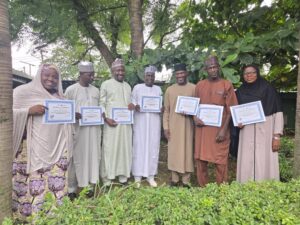
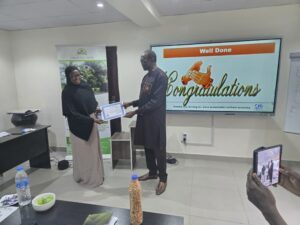
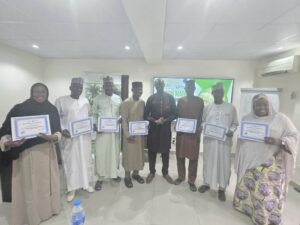
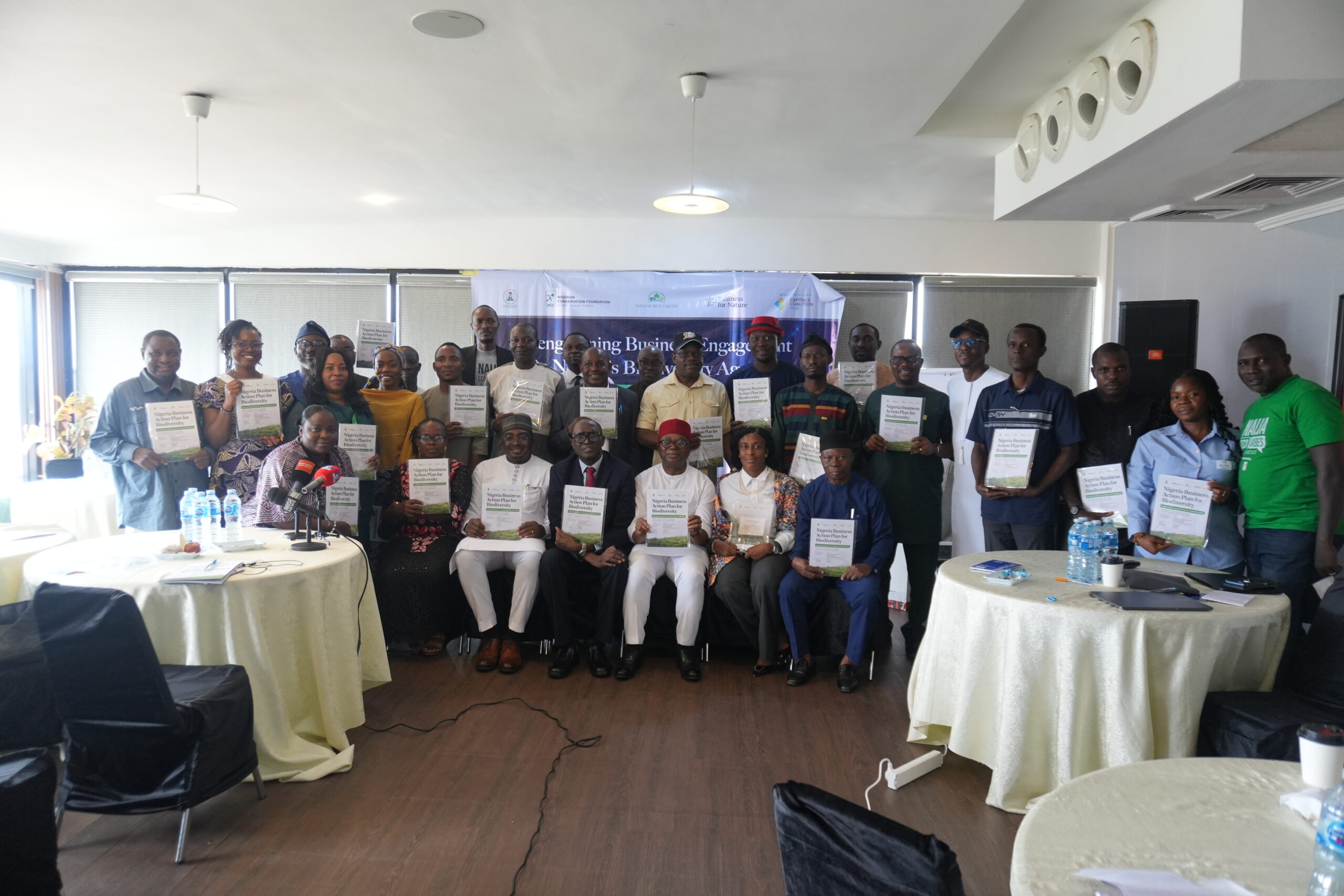
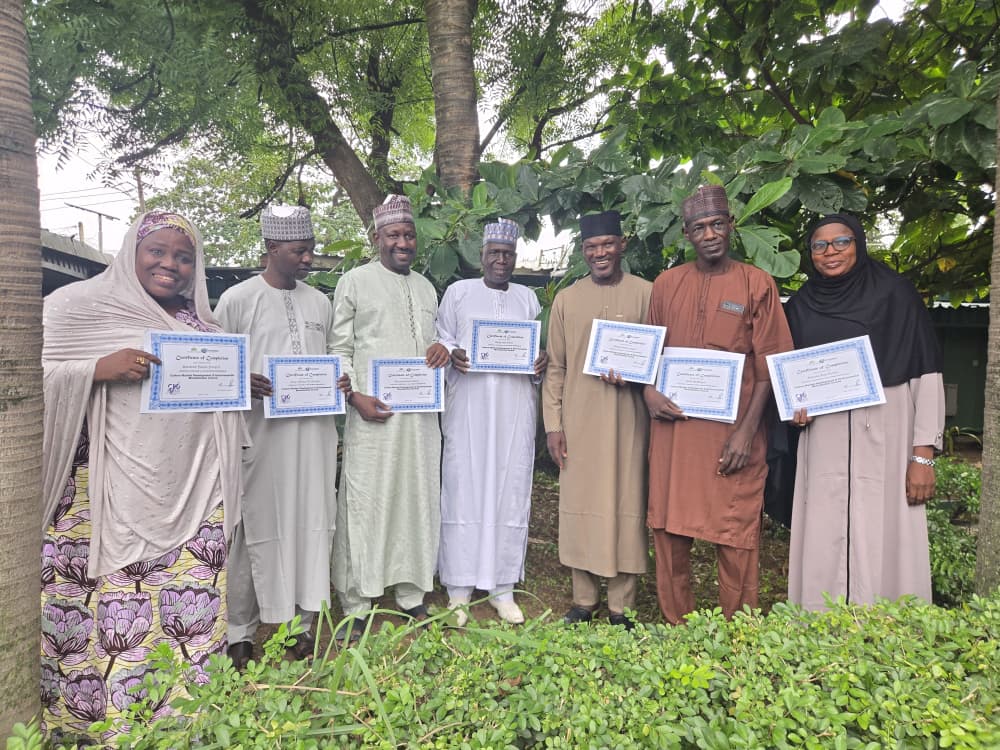
The programme concluded with group presentations, feedback, certificate presentation, and a group photograph.